
Why a Chipped Tooth
Should Never Be Ignored
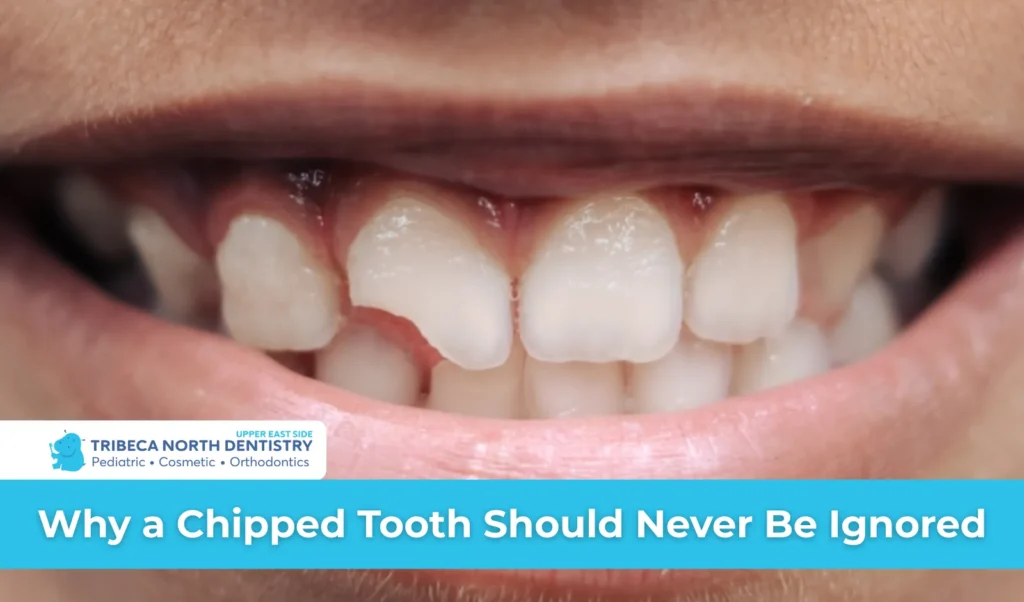
A chipped or broken tooth may not hurt right away, but it can still affect your oral health. When tooth enamel cracks, the tooth loses its natural protection against bacteria, hot or cold foods, and other irritants. Even minor chips or small chips can get worse over time if ignored, causing sensitivity, discomfort, or infection.
Knowing what to do for a chipped tooth helps you act quickly and prevent bigger problems. Early care protects your tooth, supports healing, and lowers the need for more extensive dental treatment. A dentist can also find hidden fractures that could lead to serious damage later. Acting promptly keeps your smile healthy and reduces pain.
How Teeth Become Chipped or Damaged
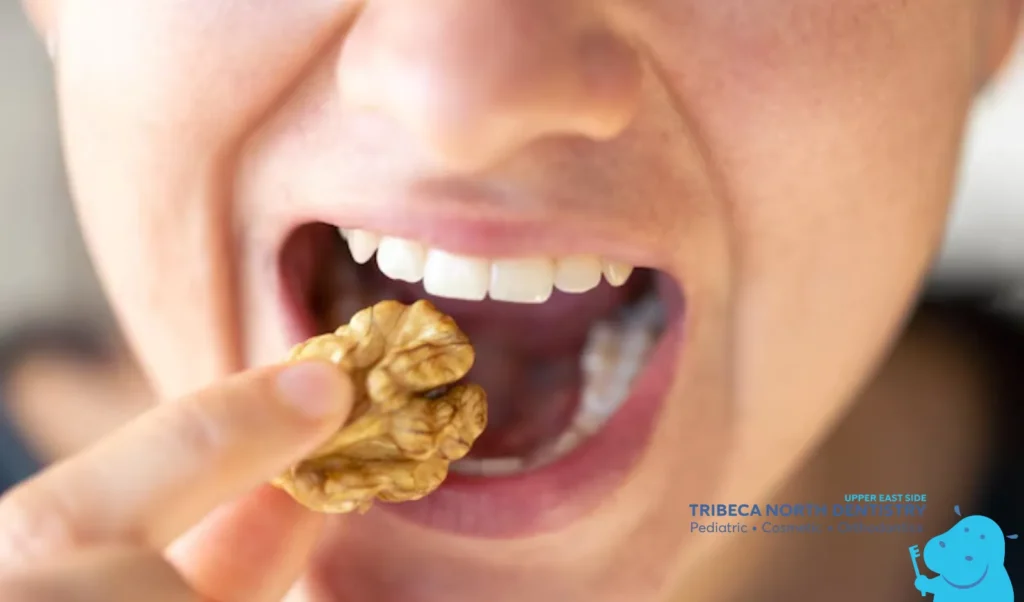
Teeth can break during normal activities. Biting hard foods, falling, or getting hit can crack enamel, especially if a tooth is weakened by decay. Certain habits make teeth more likely to chip, such as grinding teeth, biting nails, or chewing non-food objects.
Contact sports without protective gear are another common cause. Even repeated minor habits, like chewing pens or pencils, may lead to small chips over time.
Common causes include:
- Hard foods like ice, nuts, or candy
- Accidents or falls
- Tooth decay and enamel erosion
- Grinding or clenching teeth
- Contact sports without a mouthguard
Immediate Home Care
Knowing what to do for a chipped tooth at home can reduce pain and prevent further damage before professional care. First, gently rinse your mouth with warm water or salt water to remove debris and lower bacteria.
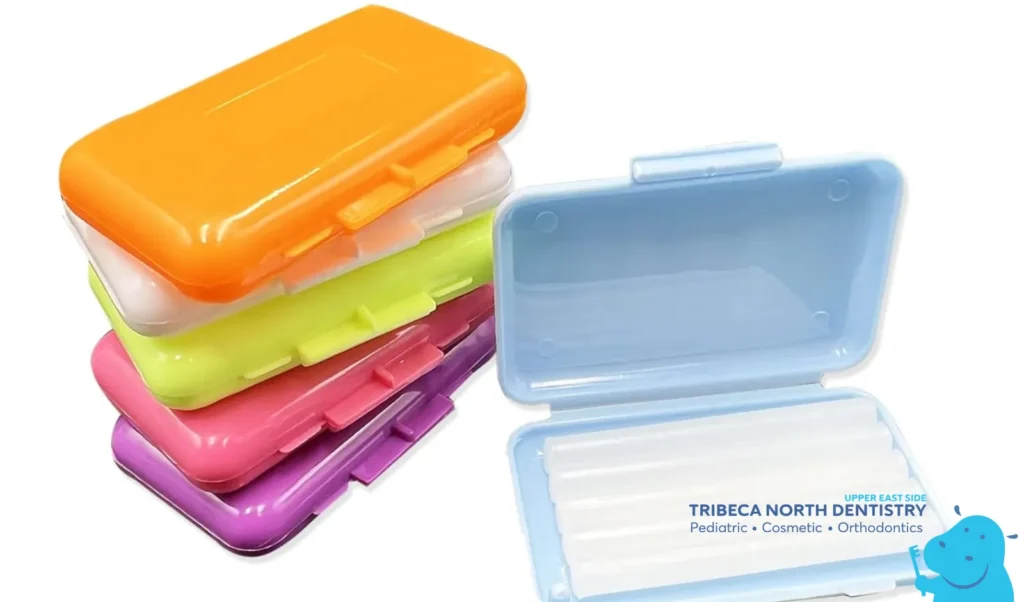
If bleeding occurs, press lightly with clean gauze. Avoid chewing on the affected tooth. Eat soft foods and skip acidic or sticky items. Hydrating helps comfort and healing. For teeth with sharp edges, applying dental wax protects your tongue, lips, and cheeks. These home remedies do not permanently repair the tooth but help prevent irritation and protect a damaged tooth until a dentist can help.
Managing Pain and Sensitivity
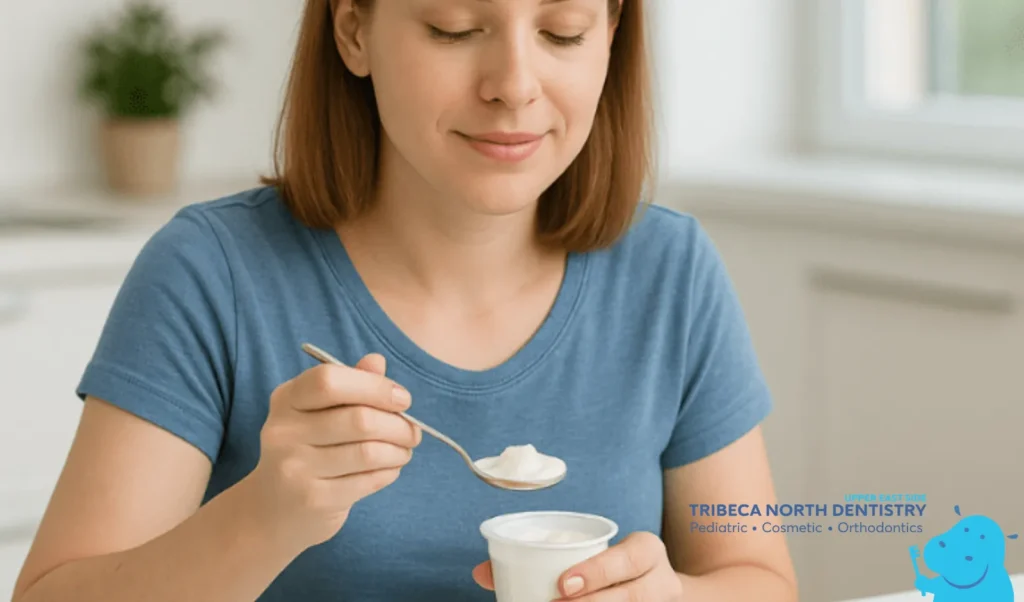
Pain or sensitivity can indicate damage beyond enamel. Hot, cold, or sweet foods may hurt if the dentin or nerve is exposed. Knowing what to do for a chipped tooth pain includes eating soft foods, avoiding temperature extremes, and gently rinsing your mouth.
Persistent discomfort requires a dentist’s evaluation. Early treatment reduces the risk of infection, further cracking, or additional dental procedures.
Fixing and Protecting a Chipped Front Tooth
Front teeth are thinner and more visible, making them prone to damage. Even minor bumps or biting hard foods can result in small chips. Knowing what to do for a chipped front tooth involves reducing pressure, monitoring for discoloration or sensitivity, and avoiding habits like nail-biting or chewing pens.
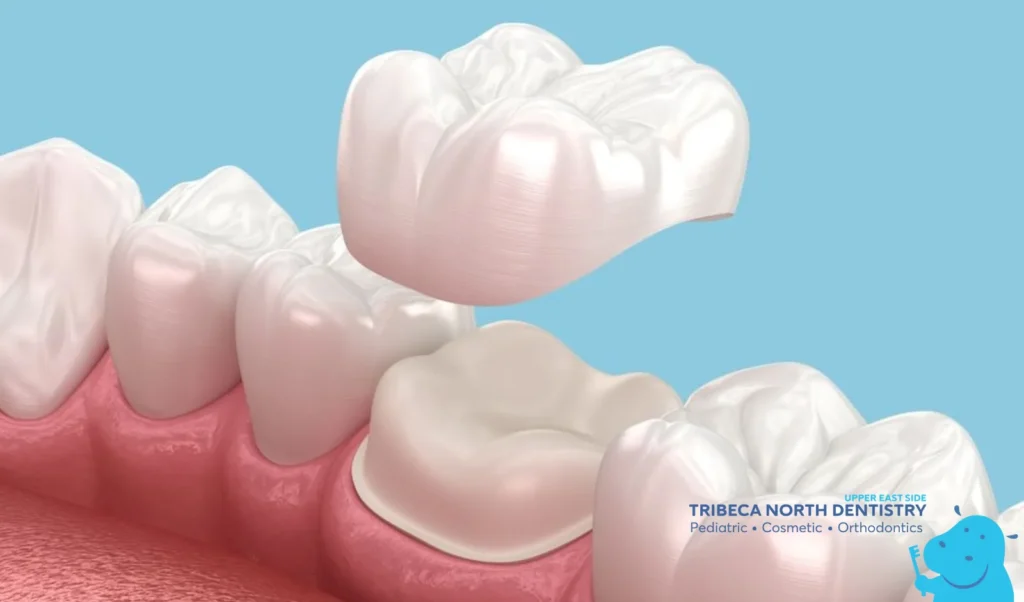
A dentist may use dental bonding to restore minor chips and smooth sharp edges, improving appearance and function. For more severe damage, dental crowns fully cover the tooth, providing strength, durability, and long-term protection.

Long-Term Protection and Oral Health
After a chip, healthy habits are essential to maintain strong teeth. Avoid using teeth as tools, biting hard objects, or engaging in risky behaviors without protection. Preventive care strengthens enamel, reduces the likelihood of new minor chips, and keeps teeth resilient.
Wear mouthguards during contact sports, manage teeth grinding, and practice daily brushing and flossing. Regular dental visits help identify early cracks or enamel weakening. Following these steps provides long-term protection and lowers the need for repeated home remedies.
Cosmetic and Functional Benefits of Repairing a Chipped Tooth
Repairing a chipped or broken tooth enhances both appearance and function. Dental bonding can restore natural tooth shape, smooth sharp edges, and prevent irritation. For extensive damage, dental crowns offer a long-lasting solution, covering the tooth completely and preventing further harm.
Fixing minor chips early can prevent larger breaks requiring complex procedures. Proper treatment maintains bite alignment, prevents additional wear on neighboring teeth, and supports overall oral health. Early intervention preserves enamel, reduces discomfort, and keeps teeth functioning normally.
Diet and Lifestyle Tips for Protecting Teeth
Your diet and habits affect recovery. Avoid very hard or sticky foods, ice, and candies that could worsen damage. Drinking water keeps your mouth clean, and nutrient-rich foods strengthen enamel naturally, supporting long-term dental health.
Lifestyle choices, like stopping nail-biting and avoiding pen or pencil chewing, prevent new small chips. Using protective gear for sports and avoiding risky oral habits reduces injury chances. Together with regular dental care, these habits help preserve teeth, maintain appearance, and prevent further damage.
Soft Food Recipes for Chipped Tooth Recovery
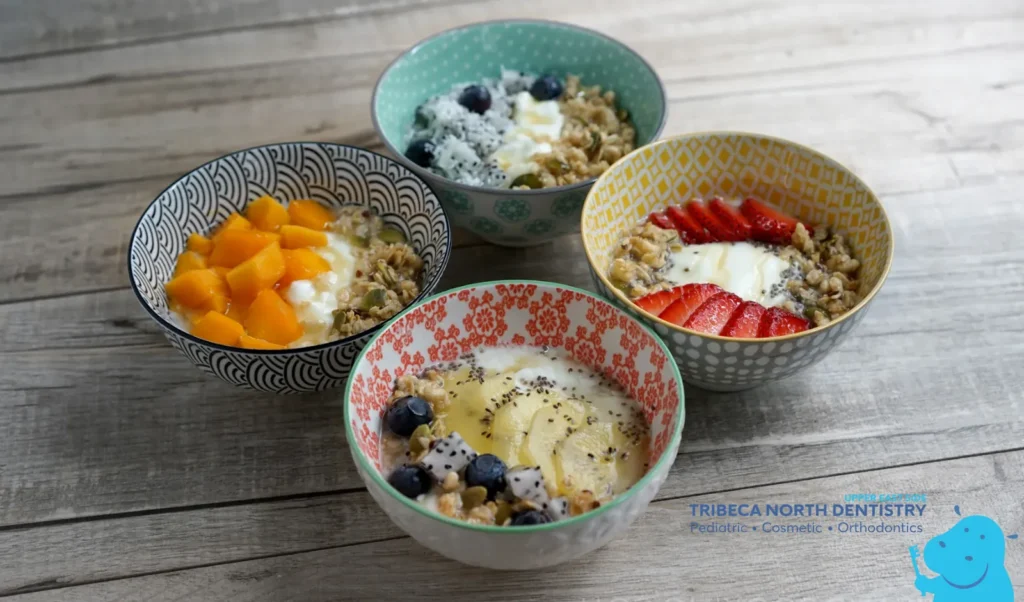
Eating soft foods after chipping a tooth helps reduce pain and prevent further injury. Mashed potatoes, scrambled eggs, yogurt, smoothies, and oatmeal are easy to eat and gentle on damaged teeth. Soups and well-cooked vegetables provide nutrients while avoiding sharp edges that could irritate your mouth.
These soft foods can also help children recover comfortably after chipping a tooth. Avoiding hard, sticky, or crunchy foods until the tooth is treated prevents worsening damage and keeps your oral health stable.
Conclusion
Chipped teeth, even small chips or minor cracks, can affect comfort, confidence, and oral health. Sharp edges can irritate your tongue, lips, and cheeks, and untreated damage may worsen over time. Understanding what to do for a chipped tooth at home, such as gently rinsing your mouth, and eating soft foods, can temporarily protect a damaged tooth.
Professional care ensures proper fixing a chipped tooth. Treatments like dental bonding or dental crowns restore strength, appearance, and long-term protection. Acting quickly prevents further damage, infections, or misalignment with nearby teeth. Combining early care, safe home measures, and consistent dental checkups keeps your teeth strong, functional, and your smile confident.
Keep Your Teeth Strong With Expert Help
If you have a chipped or broken tooth or ongoing discomfort, prompt dental treatment prevents further complications. Tribeca North Dentistry Upper East provides professional care to repair chipped teeth, relieve discomfort, and restore damaged teeth safely.
Call (212) 876-6475 today to schedule an appointment and protect your oral health.
