
Tooth Pain When Eating? Causes, Relief, and Prevention Tips
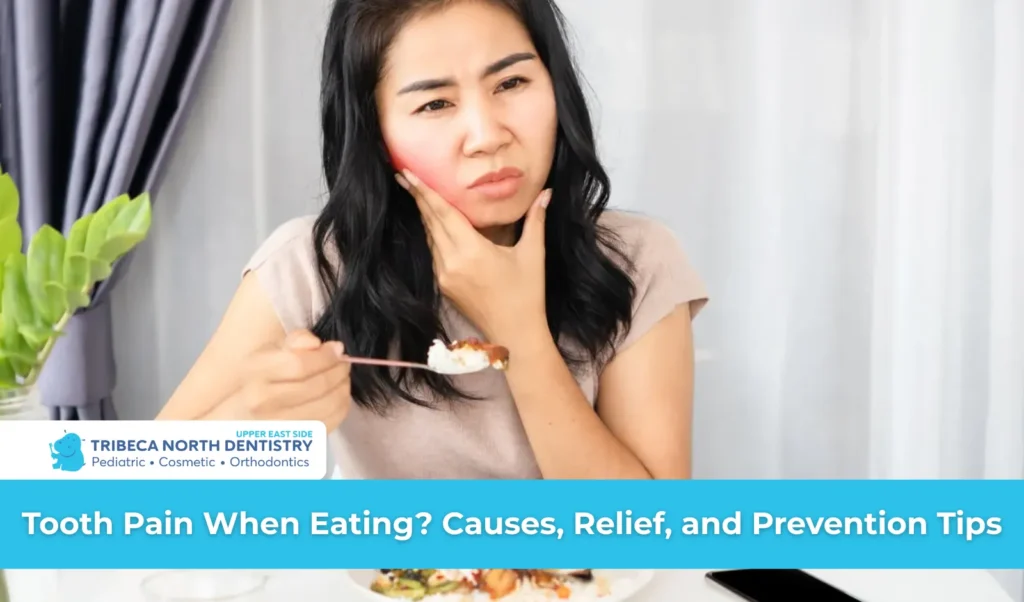
Experiencing tooth pain when eating or tooth pain when chewing can turn simple meals into a stressful experience. For many people, even a small bite of sweet or crunchy foods can trigger sharp or persistent discomfort, making it difficult to enjoy favorite meals. This type of pain can stem from a variety of causes, ranging from cavities and enamel erosion to gum disease and cracked teeth. Understanding why your teeth hurt is the first step toward relief and preventing further damage.
Caring for your teeth goes beyond brushing and flossing. Using products like desensitizing toothpaste, protecting your tooth enamel, managing sensitivity, and addressing early signs of dental problems can help you maintain not only a healthy smile but also your confidence and overall oral health. By learning the causes of tooth pain when eating and the steps to prevent it, you can enjoy meals comfortably while keeping your teeth and gums strong for years to come.
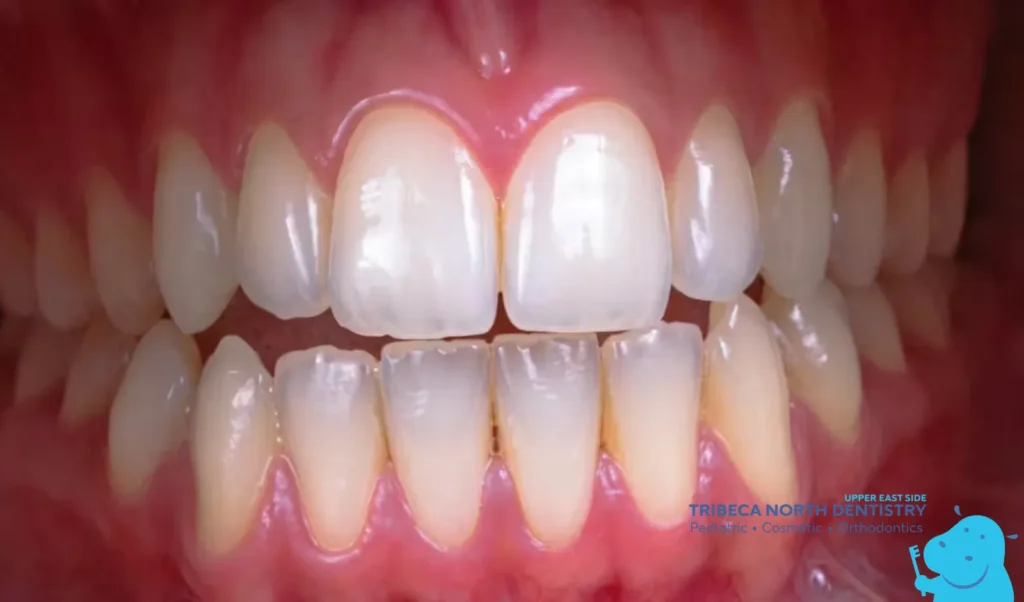
Common Causes of Tooth Pain
Several dental problems can cause pain when chewing or eating:
- Tooth Decay: Cavities weaken the tooth enamel and can expose the inner part of the tooth, causing tooth pain when eating sweets. Tooth decay often comes from plaque buildup, poor oral hygiene, or eating sugary foods and drinks too often. Tooth pain when eating sweets is a common symptom of decay and can worsen if untreated. Regular checkups and prompt treatment can prevent more serious dental problems and preserve enamel.
- Cracked Tooth: A cracked tooth can cause sharp pain, especially when chewing or putting pressure on it. Even small cracks can make eating uncomfortable. Leaving a cracked tooth untreated can lead to infection or more damage.
- Enamel Wear and Erosion: Over time, tooth enamel can wear away from acidic foods, teeth grinding, or brushing too hard. When enamel erodes, sensitive areas of the tooth are exposed, making tooth pain when chewing worse. Once enamel is lost, it cannot grow back naturally. Protecting enamel with proper brushing, diet, and fluoride treatments is essential.
- Gum Disease and Gum Recession: Gum disease, like gingivitis, can cause gum recession. Gum recession exposes tooth roots, which are sensitive, especially to sweet foods or hot and cold drinks. Persistent gum recession can lead to tooth pain when chewing and even tooth loss if left untreated. Early treatment and monitoring can prevent worsening pain and improve gum health.
- Teeth Grinding: Grinding or clenching your teeth, often at night, can wear down tooth enamel and cause jaw pain, tooth sensitivity, and discomfort while chewing. Stress and anxiety are common triggers.

Sensitivity to Certain Foods
Tooth pain when chewing or eating sweet foods is common. Sugar can irritate exposed dentin or worn tooth enamel, causing sharp or throbbing pain. People with sensitive teeth may also feel discomfort when eating hot or cold foods. Dental erosion, enamel wear, and gum recession all make teeth more sensitive and prone to tooth pain when eating sweets.
Some habits make this worse, like drinking acidic beverages such as soda or citrus juice. Chewing ice or hard foods can also crack or chip teeth, adding to tooth discomfort when chewing. Limiting sweet foods and acidic drinks, and eating a balanced diet with vitamins and minerals, can help reduce sensitivity. Crunchy vegetables, dairy, and other calcium-rich foods can help support stronger teeth and reduce sensitivity over time.
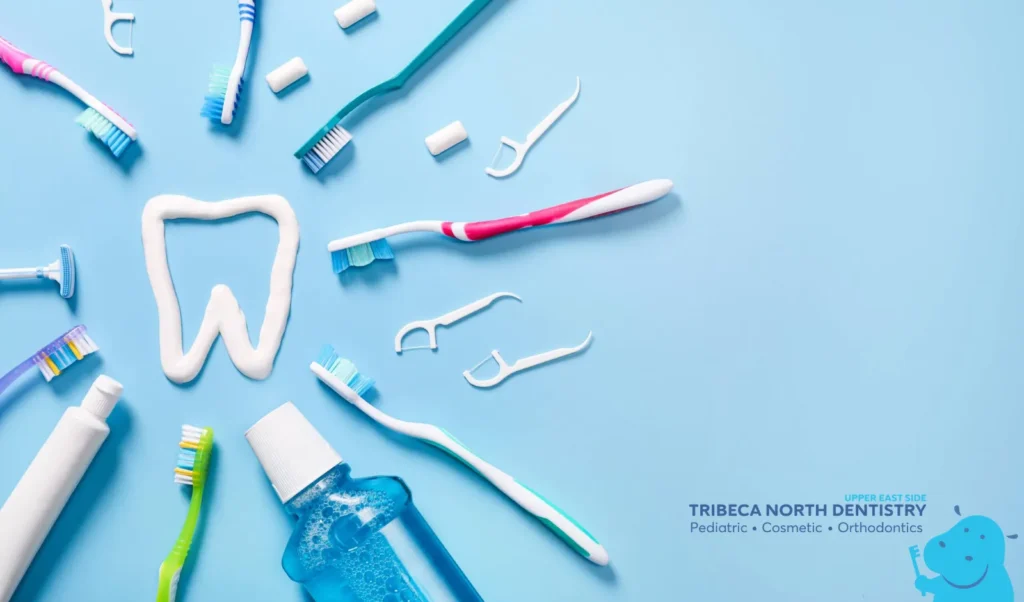
Oral Health Habits to Prevent Pain
Good oral habits are key to preventing tooth pain:
- Soft-Bristled Toothbrush: Using a soft brush protects tooth enamel and reduces irritation to receding gums.
- Daily Brushing and Flossing: Brushing and flossing gently removes plaque and protects gums. Avoid scrubbing too hard.
- Mouthguards for Teeth Grinding: Wearing a custom mouthguard at night protects tooth enamel and reduces jaw pain.
- Lifestyle Habits: Reducing sugar, avoiding acidic drinks, and quitting smoking improve gum health. Drinking water after meals washes away food particles and acids to protect tooth enamel. Regular dental checkups help monitor gum recession and tooth health, preventing tooth pain when chewing or tooth pain when eating sweets in the future.
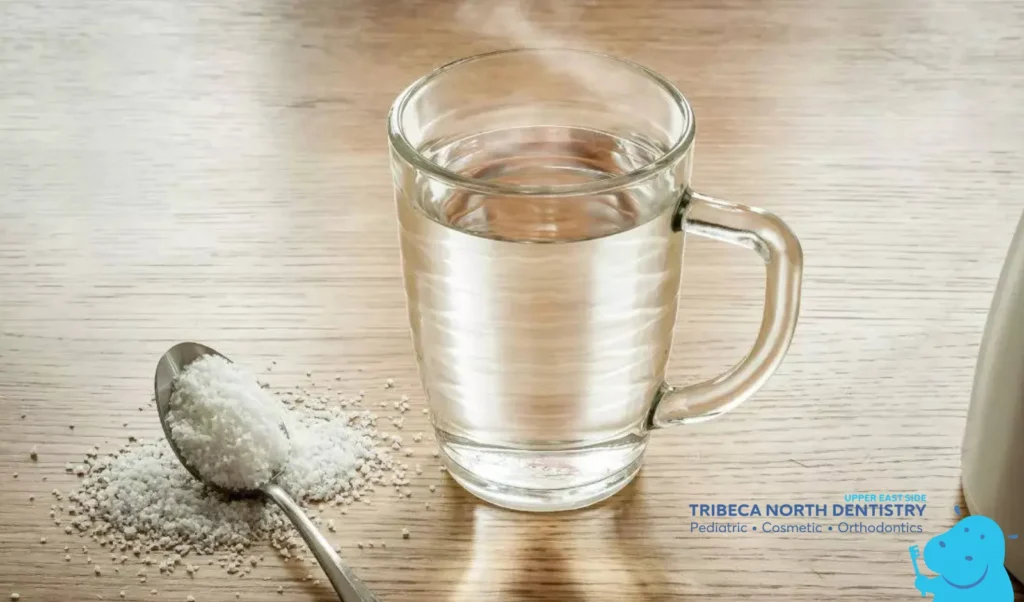
Home Care Tips for Relief
While waiting for a dental visit, you can try:
- Avoiding very sweet foods, sticky, or acidic foods.
- Rinsing your mouth with warm salt water to reduce inflammation.
- Use over-the-counter dental gels or pain relievers as directed.
- Applying fluoride rinses or gels to strengthen tooth enamel.
- Chewing on the opposite side if only one tooth hurts, and avoid biting hard foods with that tooth.
- If tooth pain when eating sweets persists, visit your dentist promptly for evaluation.
Conclusion
Tooth pain when chewing or eating, including tooth pain when eating sweets, is common and should not be ignored. Causes include tooth decay, enamel erosion, gum disease, gum recession, and cracked teeth. Simple steps, such as gentle brushing, wearing a mouthguard, and avoiding foods that trigger pain, can help reduce discomfort and protect your oral health.
For ongoing or sharp pain, seeing a professional is essential. Early treatment can address underlying dental issues, restore tooth enamel, and prevent further complications. Taking these steps ensures you can enjoy meals comfortably, maintain a healthy smile, and support long-term oral health for years to come.
Protect Your Smile: Treat Tooth Pain Before It Gets Worse
If tooth pain when chewing continues, worsens, or makes it hard to eat or speak, professional care is the best solution. The team at Tribeca North Dentistry Upper East offers gentle, personalized care for patients with front tooth pain, back tooth pain, molar tooth pain, or jaw discomfort. Whether your pain comes from a cracked tooth, sensitivity, or gum irritation, they provide effective treatments to relieve pain and protect tooth enamel.
Call (212) 876-6475 today to schedule an appointment and get advice on reducing discomfort while keeping your teeth healthy and preventing future dental problems. Always visit your dentist if symptoms persist.
