
Tooth Pain After Dental Procedures: Causes and Relief Tips

Dental work is designed to fix problems, improve your smile, and maintain healthy teeth. Some discomfort after treatment is normal. Tooth pain after dental work can feel concerning, especially if it occurs when biting, chewing, or eating certain foods.
The pain may be mild or sharper, depending on the procedure. Knowing which pain is normal and which may be a problem helps you stay calm and care for your teeth properly.
Most post-treatment pain is temporary. Your teeth, gums, and nerves need time to recover and adjust. Pain that continues for too long or gets worse may indicate a problem. Understanding the difference between ordinary healing and potential complications helps you know whether to wait or contact your dentist. Most patients feel better within a few days, though sensitivity may appear occasionally, especially when eating or drinking.
Why Tooth Pain Happens After Dental Work
Dental procedures put pressure on teeth and surrounding tissues. Whether a dentist is cleaning, filling, or repairing a tooth, the process can irritate nerves and gums. After treatment, your body sends blood and healing cells to the area, causing mild inflammation. This is a normal part of recovery and usually eases as the tissues adjust.
Pain that does not improve may indicate nerve irritation, malocclusion, or early signs of infection. Watching how long discomfort lasts and what triggers it can help protect your dental health and prevent complications.
Tooth Pain After Tooth Pulled
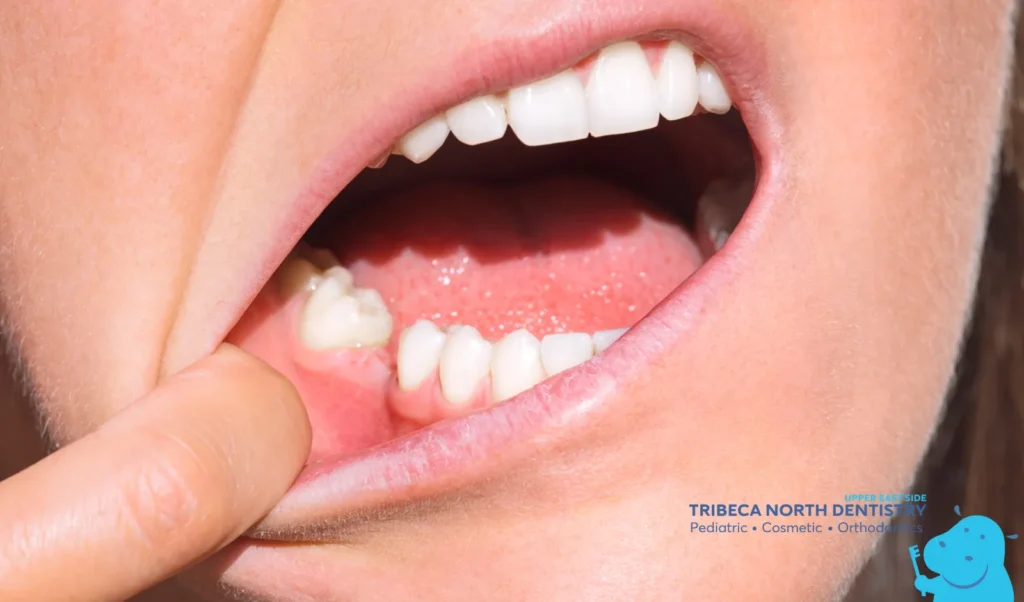
Tooth pain after extraction is common, especially during the first 24 hours. The area where the tooth was removed is healing, so soreness, swelling, and mild bleeding on that side of the mouth are expected. Chewing may be uncomfortable, so try to use the opposite side to avoid disturbing the area.
Sensitivity to hot or cold foods is normal but should be managed carefully. Pain usually decreases each day gradually. If discomfort worsens, swelling increases, or a bad taste develops, these may be signs of infection, and contacting your dentist promptly is important.

Filling Tooth Pain After Treatment
Filling tooth pain after treatment is common because the tooth is adjusting to the new filling. Tooth pain after a dental filling may include sensitivity to sweets, hot or cold foods, or pressure when biting. The filling material may sit close to the nerve, causing temporary irritation.
Pain when biting can also happen if your bite feels uneven. In most cases, this discomfort is mild and fades over time.
Over-the-counter pain relievers can help reduce soreness and inflammation. Contact your dentist if the pain continues or feels sharp so they can check and adjust the filling if needed.

Tooth Pain After Crown Placement
Tooth pain after crown placement can happen for several reasons. Preparing the tooth for a crown puts pressure on the tooth and nearby tissues. After the crown is placed, sensitivity to hot or cold foods is common, and discomfort when biting may occur if the crown does not fit perfectly.
This pain usually fades as the tooth adjusts. Persistent pain may indicate nerve irritation or a problem under the crown. Seeing your dentist early ensures the crown functions properly and helps prevent long-term issues.
Nerve Irritation and Pressure Sensitivity
Nerve irritation is a common cause of pain after dental work. Inflammation of the nerve inside the tooth can cause sharp pain, pressure sensitivity, or lingering aches, especially when chewing. Most nerve-related discomfort diminishes as inflammation resolves and the tooth adjusts.
If pain persists for weeks or becomes severe, consult a dentist. Ongoing nerve irritation may require additional treatment to prevent more serious problems.
Signs of Infection to Watch For
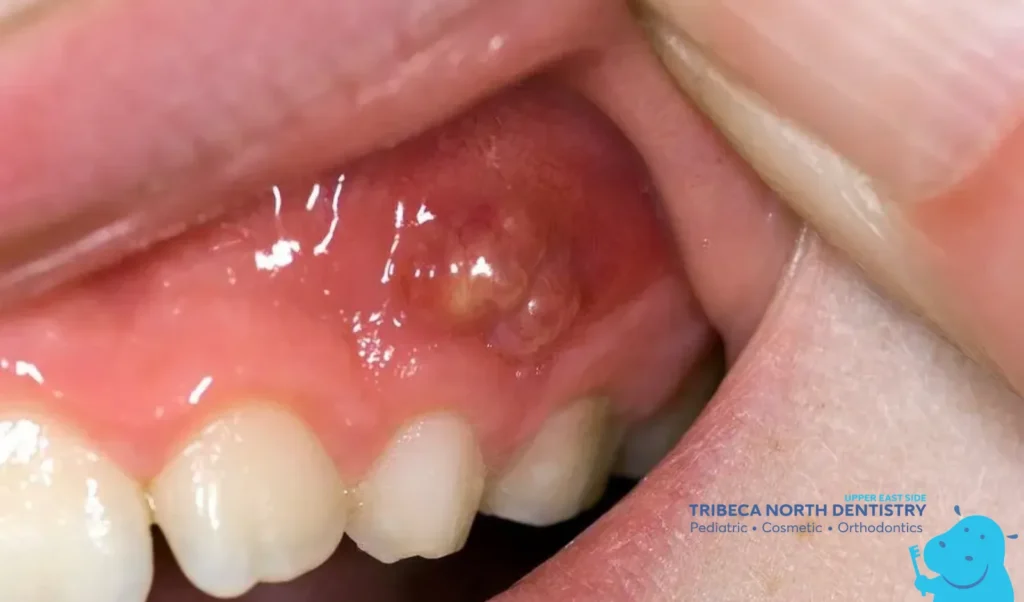
Some discomfort is normal, but certain symptoms may indicate an infection. Watch for:
- Swelling that worsens
- Redness around the tooth
- Fever
- Tooth Abscess
- Pain that does not improve
Ignoring these signs can harm your dental health and slow healing. Early dental care helps prevent more serious problems and protects surrounding teeth and gums.
Managing Mild Discomfort at Home
Mild pain after dental work can often be managed at home. Chewing on the opposite side, avoiding hard, sticky, or very hot or cold foods, taking over-the-counter pain relievers as directed, and keeping your mouth clean with gentle brushing can all help. These actions reduce inflammation, protect the treated tooth, and allow your mouth to adjust to the dental work.
Conclusion
Tooth pain after dental work, including tooth pain after filling and filling tooth pain after treatment, is usually normal. Your teeth, gums, and nearby nerves need time to heal and adjust. Mild soreness, tooth pain after filling, and filling tooth pain after treatment usually get better in a few days as your mouth adjusts.
However, if pain continues, worsens, or does not improve after several days, it should not be ignored. Persistent discomfort may indicate nerve irritation, an uneven bite, or early infection. Recognizing warning signs and seeking help early can prevent more serious dental issues and support long-term oral health.
Get Help for Persistent Tooth Pain
If tooth pain continues, worsens, or makes eating uncomfortable, professional care can help. The team at Tribeca North Dentistry Upper East Side provides gentle, personalized care for patients with tooth pain after extractions, dental fillings, crowns, and other treatments.
Call (212) 876-6475 to schedule an appointment and get guidance on relieving pain while keeping your teeth healthy and strong.
