


Quick Answer
What usually causes pain in your teeth or gums?
Tooth and gum pain can result from several dental problems, including cavities, cracked teeth, gum disease, teeth grinding, or an infection. Tooth decay may expose sensitive areas, while inflamed gums can cause soreness, swelling, or bleeding.
Key Takeaways
- Cavities, cracks and grinding often cause tooth pain.
- Gum disease can make gums and teeth hurt.
- See a dentist if pain lasts over 1 to 2 days.
- Facial swelling with fever, or trouble breathing, means ER or 911.
- Early care can help keep problems small.
Tooth pain can occur suddenly, while eating, speaking, or smiling. You may experience front tooth pain, back tooth pain, molar tooth pain, or tooth pain in your jaw. Sometimes the pain starts in the gums, often from swollen, irritated gum tissue. This is called gum and tooth pain. Acting early can help prevent bigger problems.
Even mild tooth discomfort can affect daily life. Chewing may be difficult, or you might avoid certain foods. Finding the cause and getting the right treatment helps protect your teeth and gums.
Common Reasons Your Teeth Hurt
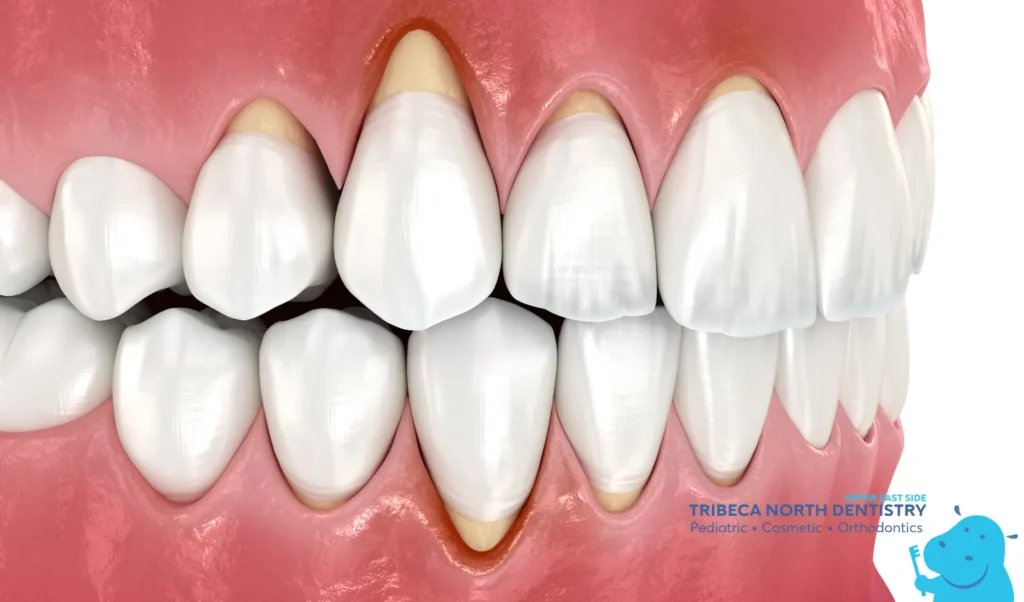
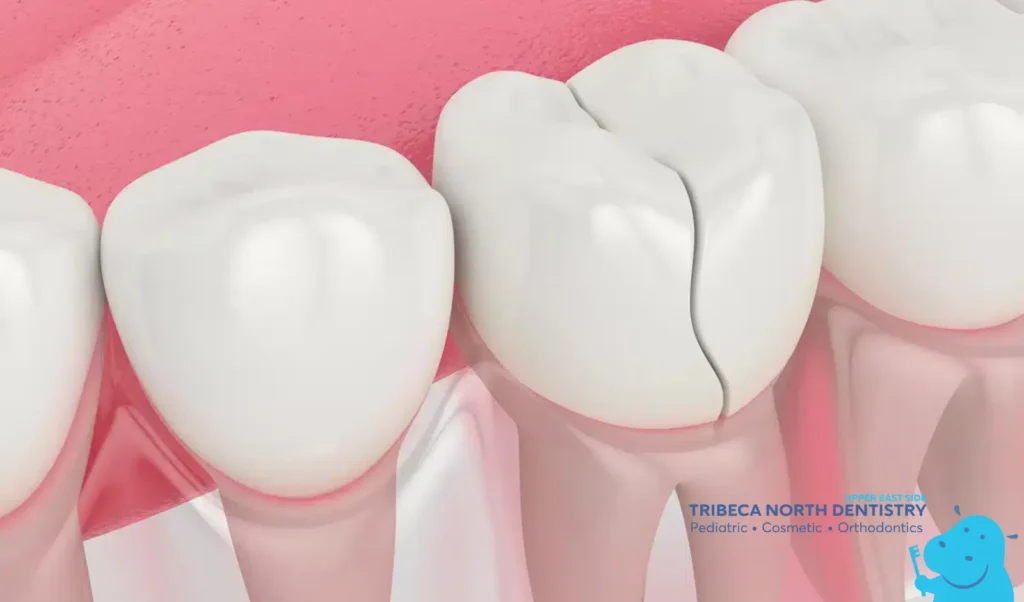
A cracked tooth can trigger sharp pain when biting or chewing. Even small cracks can irritate the pulp, the soft inner part of the tooth. Tooth enamel wear or gum recession can lead to sensitivity. Pain can show up in front teeth, back teeth or molars.
Gum problems also cause tooth discomfort. Inflamed or bleeding gums, early-stage gum disease, or gum recession can produce tooth gum pain and gum and tooth pain. If untreated, these issues may worsen, sometimes leading to tooth loss or other dental issues.
Many people grind their teeth at night or clench their jaws during the day. This is called bruxism. Over time, teeth grinding damages tooth enamel, causes jaw pain, and can lead to molar tooth pain or a cracked tooth. Cavities and infections, including an abscess (a pocket of pus), often cause constant or throbbing pain. Sinus infections can also create referred pain in upper teeth.
Signs You Should Not Ignore
Never overlook tooth pain, as it often signals underlying dental issues. Pay attention to any of these warning signs, which may indicate issues requiring professional care:
- Sharp or throbbing pain when biting or chewing
- Pain spreading to the jaw or nearby teeth
- Swollen, tender, or bleeding gums
- Sensitivity to hot, cold, or sweet foods
- Cracked or broken teeth
Persistent pain signals the need to see a dentist. Early intervention provides pain relief and prevents the problem from worsening.
Dental Treatments for Tooth Pain
We look for the cause of your pain and treat it. Treatments target the root cause of pain, whether it is a cavity, cracked tooth, or gum problem.
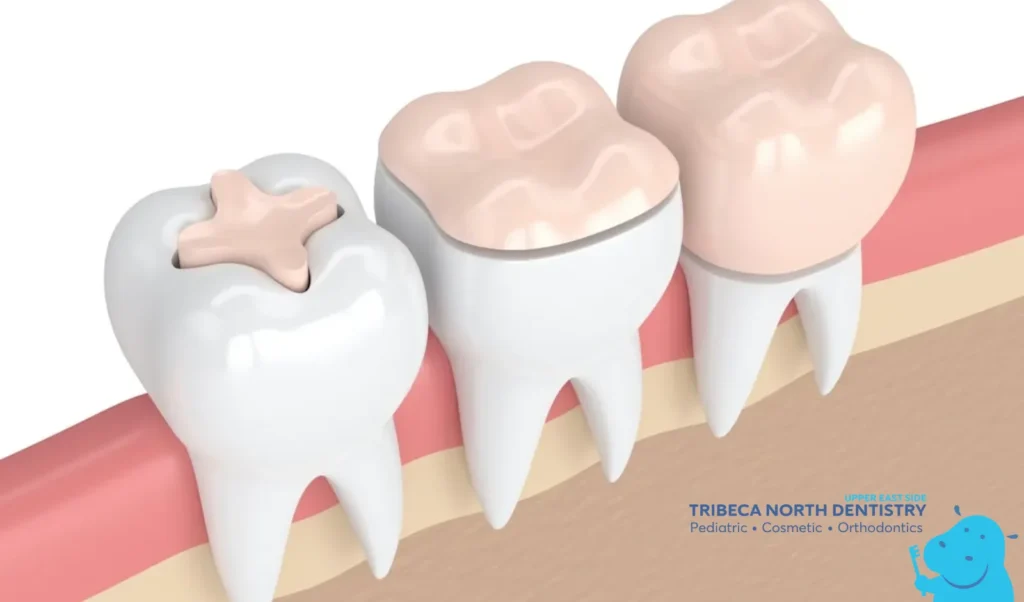
- Fillings and Crowns: Repair cavities or a cracked tooth to restore function and relieve pain
- Root Canal Therapy: Treats infected or inflamed pulp, the soft inner part of the tooth, to relieve pain and help save the tooth
- Gum Treatments: Professional cleanings treat early gum disease (gingivitis). Gum grafts may cover roots exposed by gum recession.
- Night Guards: Custom guards help protect enamel if you grind your teeth and may ease jaw pain
Regular checkups help us catch problems early and keep teeth and gums healthy.
Related: Tooth Pain When Eating? Causes, Relief, and Prevention Tips
When to Call Your Dentist
Contact your dentist immediately if you notice:
- Pain in any tooth that lasts more than 1 to 2 days or keeps getting worse
- Pain radiating to the jaw or face
- Swelling, bleeding, or pus around teeth or gums
- A cracked tooth, worn enamel, or sensitivity to hot, cold, or sweet foods
- Pain affecting eating or daily activities
Getting care early can ease pain and may help you avoid bigger treatment. If you have facial swelling with fever, or trouble swallowing or breathing, go to the ER or call 911.
Final Thoughts
Sharp or persistent tooth pain, whether in a front tooth, back tooth, molar tooth, or jaw, is a clear sign your oral health needs attention. A warm salt water rinse can ease pain for a short time, but only a dentist can treat the cause.
Acting early can help prevent bigger problems. Regular checkups and care for habits like grinding help keep your smile strong and healthy.
Take Action Before Pain Gets Worse
If tooth pain lasts, gets worse, or makes eating or speaking hard, it is time to see a dentist. The team at Tribeca North Dentistry – Upper East Side offers gentle, personalized care for pain in front teeth, back teeth, molars and the jaw. Whether your pain comes from a crack, sensitivity or gum irritation, our team can help.
Call (212) 876-6475 today to schedule a visit.
Frequently Asked Questions
Why does my molar hurt when I chew?
A cavity or a cracked tooth often causes molar pain when you chew. Our team can check the tooth and find the cause.
Can gum problems make my teeth hurt?
Yes, swollen, bleeding or receding gums can make teeth ache or feel sensitive. Treating early gum disease with a cleaning can help.
Can a sinus infection cause tooth pain?
Yes, a sinus infection can cause aching in the upper teeth. If the pain stays after the sinus clears, see a dentist.
How can I ease pain before my visit?
Rinse with warm salt water and take an over-the-counter pain reliever as directed on the label, if safe for you. This does not fix the cause.
Can teeth grinding cause jaw pain?
Yes, grinding or clenching your teeth can make your jaw sore. A custom night guard can help protect your teeth and may ease jaw pain.