
Can Tooth Pain Cause Headaches? Common Dental Triggers

Many people don’t realize how closely the mouth and head are connected. A common question dentists hear is, “Can tooth pain cause headaches or persistent head pressure?” The answer is yes. Dental problems can lead to headaches because the nerves, muscles, and blood vessels in the face are closely interconnected.
When something goes wrong in the mouth, it can trigger both tooth pain and headaches, making everyday activities uncomfortable. A tooth pain headache often feels confusing. The pain may start in a tooth and spread to the temples, jaw, or behind the eyes. Sometimes, the headache feels stronger than the tooth pain itself.
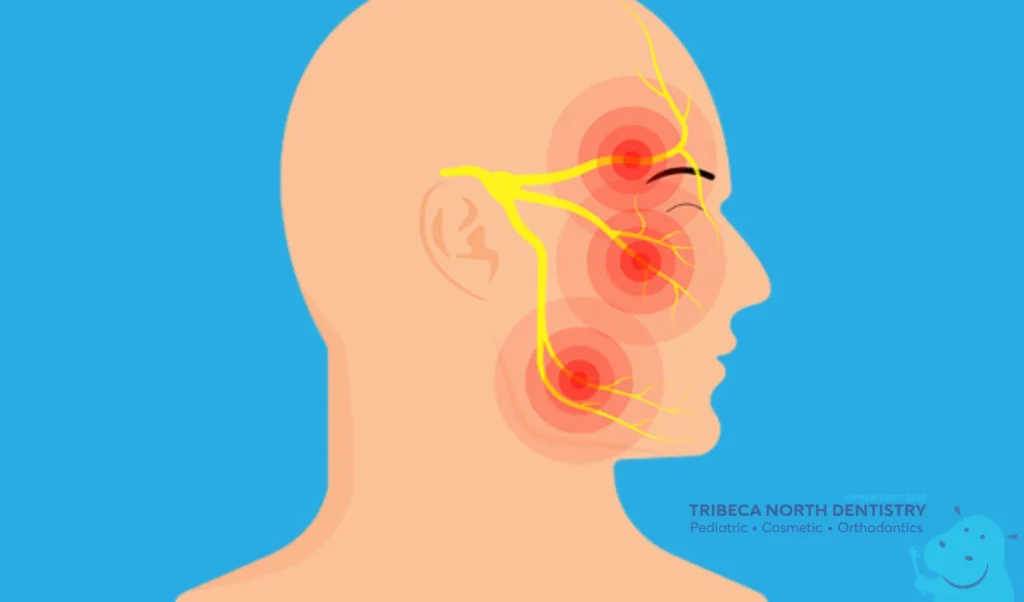
How the Trigeminal Nerve Spreads Pain
The main reason dental pain causes headaches is the trigeminal nerve, which controls feeling in the teeth, gums, jaw, and face. When a tooth or gum becomes irritated, the nerve sends pain signals to the brain.
Because this nerve connects to many areas of the head, pain can spread easily and feel like a headache instead of tooth pain. This is why people often ask, can tooth pain cause headaches that seem hard to locate or explain.
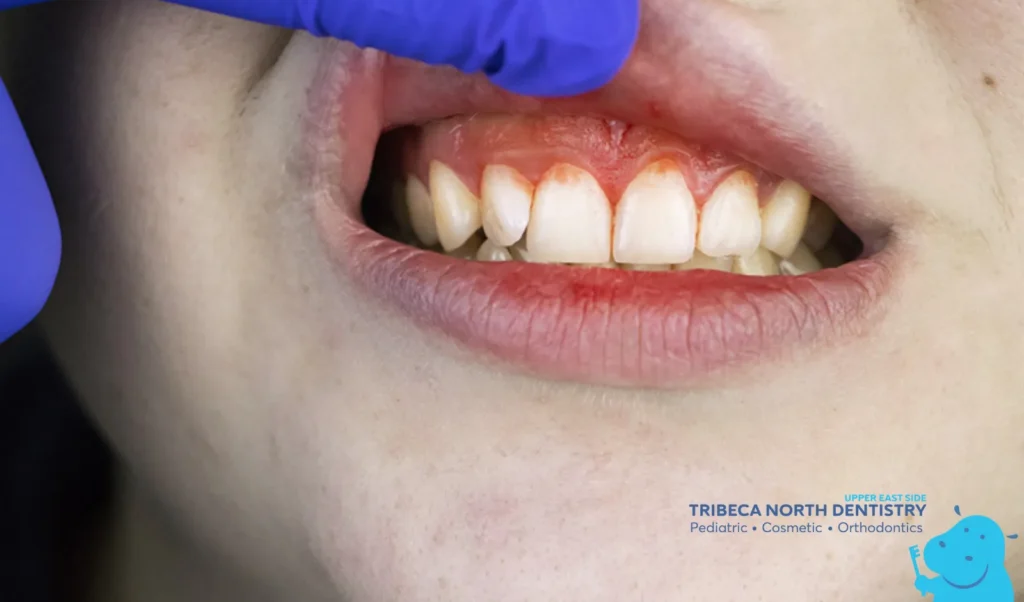
Dental Issues That Can Trigger Head Pain
Many common dental issues can lead to headaches, especially when inflammation or infection is involved. These problems often start small but worsen over time.
Common dental causes of headaches include:
- Cavities that expose or irritate the tooth nerves
- Cracked or worn teeth
- Gum disease, causing swelling and pressure
- A deep bacterial infection inside a tooth or gum
When infection is present, pain may feel constant or turn into throbbing pain. Inflammation can also affect a nearby blood vessel, making headaches worse when chewing or biting.

TMJ and Teeth Grinding Bruxism
Jaw problems can often cause headaches. Temporomandibular joint disorder TMJ, also called TMJ, affects the joint that connects your jaw to your skull. When this joint does not move properly, it can cause jaw pain, stiffness, and headaches.
Many people with temporomandibular joint disorder TMJ also experience teeth grinding, bruxism, especially during sleep. Grinding adds strain on the jaw and teeth, increasing the risk of headaches and long-term damage.
- Signs of TMJ or teeth grinding include:
- Jaw pain or stiffness in the morning
- Clicking or popping sounds when opening the mouth
- Frequent headaches or facial pain
- Worn or sensitive teeth
Without treatment, these problems can greatly affect oral health and daily comfort.
Tooth Pain While Pregnant
Tooth pain while pregnant is more common than many realize. Hormonal changes increase gum sensitivity and raise the risk of gum disease. Morning sickness exposes teeth to stomach acid, weakening enamel and increasing decay risk.
Pregnant patients may notice both headaches and tooth pain together. Maintaining good dental health and regular dental care during pregnancy is safe and recommended.
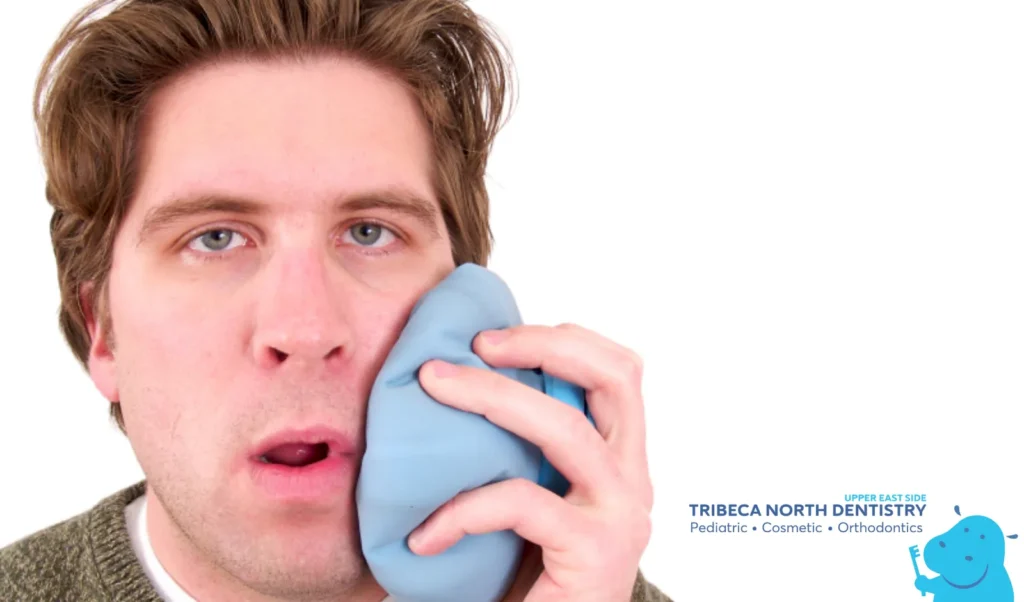
Home Remedies for Short-Term Relief
Some people try home remedies when pain begins. While these steps may offer temporary relief, they do not treat the underlying problem.
- Short-term relief options include:
- Rinse your mouth with warm salt water
- Apply a cold compress to the jaw
- Avoid hard or sticky foods
- Rest the jaw and avoid clenching
These methods may reduce swelling, but pain that is left untreated often returns and worsens.
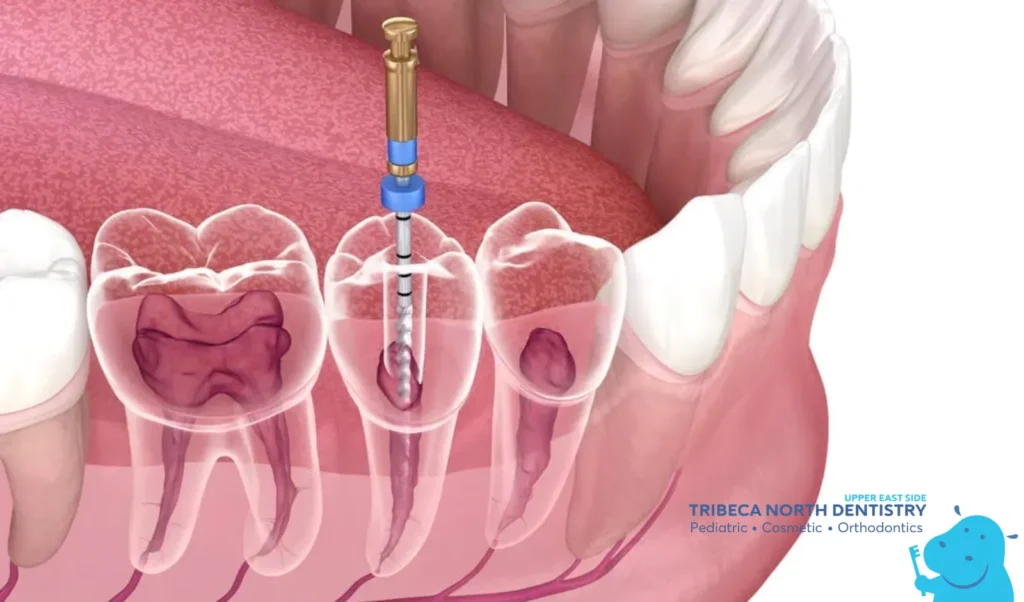
When Untreated Dental Problems Become Serious
Ignoring dental pain can lead to serious consequences. Infection may spread deeper into the tooth, requiring a root canal to remove infected tissue and save the tooth. In severe cases, an untreated dental infection can spread beyond the mouth.
Though uncommon, a spreading infection can become a life-threatening condition if bacteria enter the bloodstream. Early treatment is the best way to avoid serious health risks.
Conclusion
So, can tooth pain cause a headache? In many cases, the answer is yes. Dental issues, temporomandibular joint disorder TMJ, gum disease, and infections can trigger headaches through shared nerves and pressure in the jaw and face. When tooth pain and headaches appear together, it is often a sign that oral health problems need attention.
While home remedies may offer short-term relief, pain that is left untreated can lead to serious complications. Seeking professional dental care early helps protect dental health, prevent long-term discomfort, and keep small problems from becoming bigger ones.
Expert Care for Your Tooth and Jaw Pain
If tooth pain continues, worsens, or makes it hard to eat or speak, professional care is the best solution. The team at Tribeca North Dentistry Upper East offers gentle, personalized care for patients with front tooth pain, back tooth pain, molar tooth pain, or jaw discomfort. Whether your pain comes from a cracked tooth, sensitivity, gum irritation, or temporomandibular joint disorder TMJ, they provide effective treatments to relieve pain and protect tooth enamel.
Call (212) 876-6475 today to schedule an appointment and get advice on reducing discomfort while keeping your teeth healthy and preventing future dental problems. Always visit your dentist if symptoms persist.
